I recently replaced the shock absorber felts on my washing machine. When I saw the wiring I made years ago for Electricity Savings, I decided to write this article. We’ve all learned a bit about saving electricity at home, and we’re implementing it. And it’s beneficial.
Standby Power Consumption, Electricity Savings, and Appliance Lifespan When we think of saving electricity in our homes, LED bulbs, energy-efficient appliances, and high-energy appliances first come to mind. However, one of the most important details overlooked is standby power consumption. Many appliances, such as televisions, computers, modems, washing machines, dishwashers, and game consoles, continue to consume electricity even when they appear to be off.
Enemy: “StandBy” Standby Mode
Contents
I don’t know if StandBy was initially implemented for its innocent, user-focused, convenient, and practical purposes, or if it was a cost-cutting or planned obsolescence measure, but the biggest enemy of electrical appliances in our homes is StandBy. It also constantly consumes electricity.
Why do electronic devices consume power in standby mode?
Let me explain it simply: Any device, such as a computer, TV, or other device that can be easily turned on or off by remote control or pressing a button, contains a small power supply. Unless you unplug the device and completely disconnect it from the power supply, it operates continuously, supplying voltage to specific areas. This power supply consumes power both to operate and to the parts it supplies voltage to.
For example, the 5 volts from this power supply goes to the device’s control IC. The filter capacitors, etc., on this 5-volt line are always charged with voltage and operate. All of these components have a lifespan, and their lifespan is shortened under constant voltage.
As the name suggests, “standby mode” means the device continues to operate, consuming low power, to be ready for use at any time. The presence of more devices in a large family also increases power consumption.
Start Saving Electricity
My enlightenment came in the 2000s thanks to P3 power supplies. 😀 Back then, around 90% of the P3 power supplies I repaired would fail on the Standby stage, and they were very poor quality, simple, unprotected designs with no feedback.
I’d shut down my computer at night, and it wouldn’t turn on in the morning, suddenly crashed, etc. Furthermore, when the Standby stage failed, it would sometimes damage many hardware components, including the motherboard, HDD, etc. Because I couldn’t trust these, I’d also turn off the power with a switch after shutting down the computer, especially since monitors and televisions already had switches, and then the era of switches was completely over.
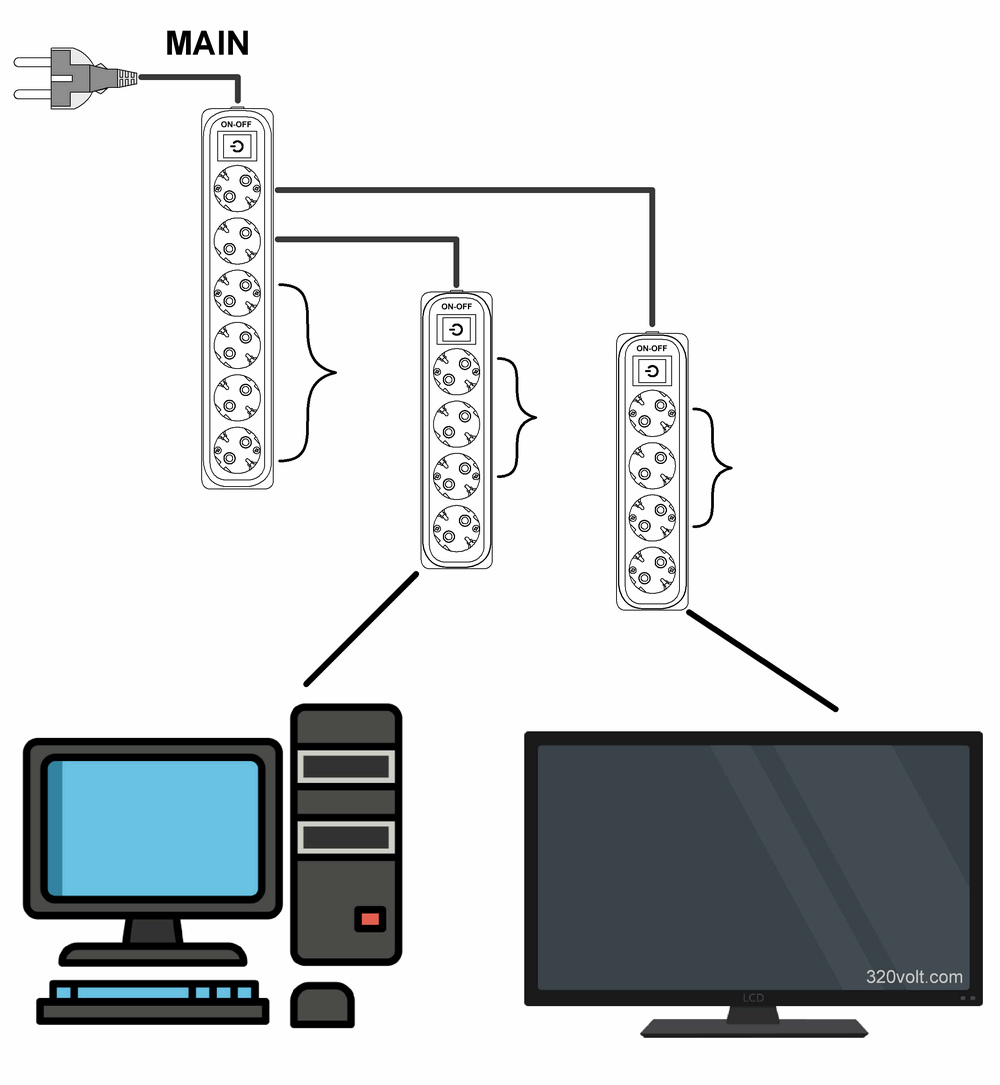
So, I started using switched power strips for all my devices, including the main outlet. First, the main switched outlet. The modem and other devices were connected to this outlet, then we connected separate switched strips to the computer and the TV. We could disconnect the power separately when we weren’t using them. If necessary, we turn off the main outlet in the evening and completely cut off the power. I have separate switched strips, so a single switch is enough for me.
Switched Group Socket Connection Diagram
Note: The switch should be illuminated. This is more effective in case you forget it on.
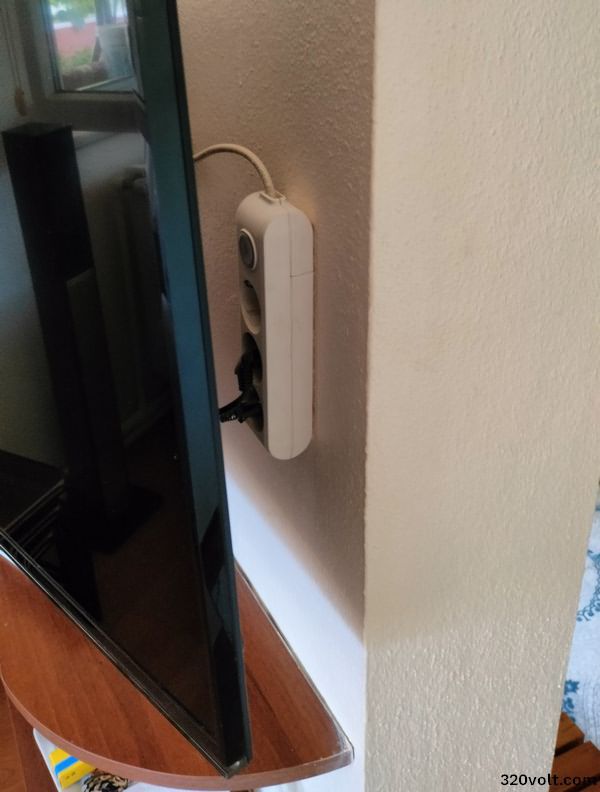
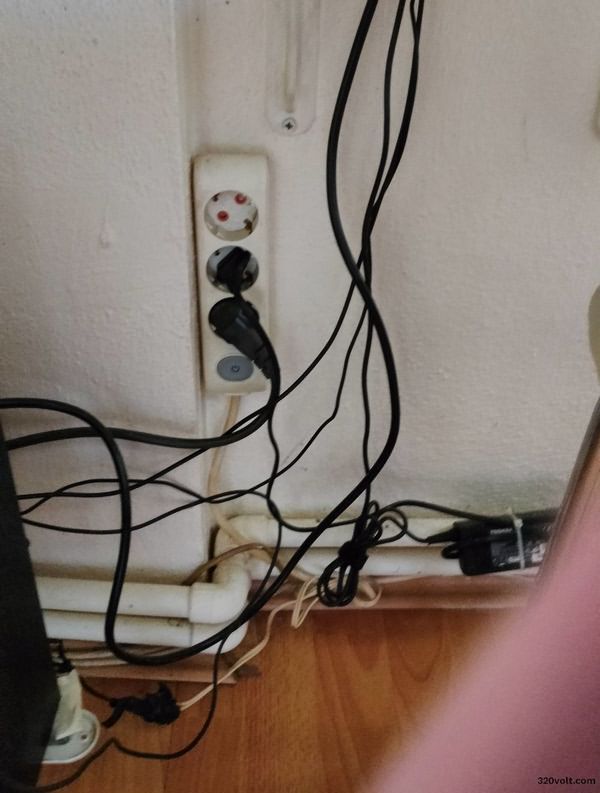
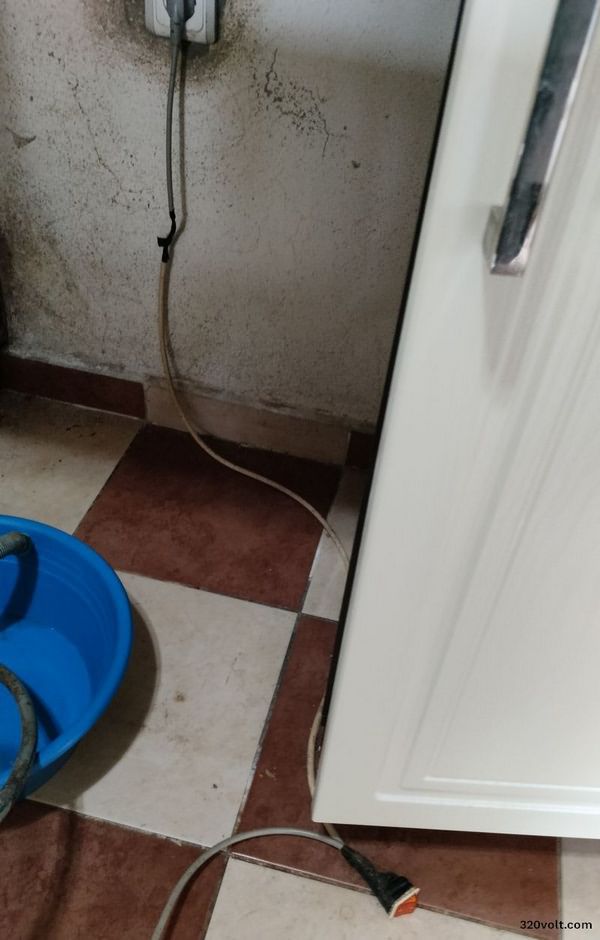
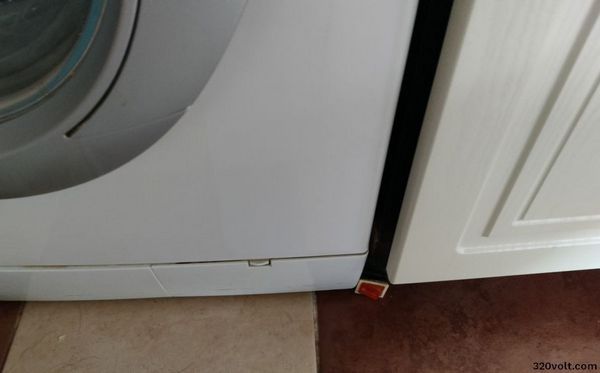
Then I installed switches for the dishwasher and washing machine. These are more work, but in 25 years, I’ve never had an electrical malfunction in any appliance in my home. We turn the switch on to start the machine and turn it off when we’re done. The switch I use is a double switch, meaning it cuts both the phase and neutral. It has a 15-amp rating and is illuminated.
Washing Machine, Dishwasher Switch Connection

Electricity Consumption of Electrical Devices in Standby Mode
- Profilo CM0801BTR Washing Machine: 0.15W
- Profilo BM2020EA Dishwasher: 0.20W
- Samsung UE40H6500ALXTK LCD TV: 0.3W*
*Samsung customer service says 0.3W, but they might be abbreviating it 😀 A dishwasher with no display and few features uses 0.20W, while an LCD TV with multiple features like USB, VGA, Wi-Fi, and satellite receivers draws more than 0.3W.
I haven’t considered external satellite receivers, sound systems, etc.; they all consume a certain amount of current. Desktop computers consume higher power consumption, and game consoles, between 2W and 15W, also consume high current in standby mode. And it’s not just devices with built-in power supplies that have a standby mode. Phone chargers and other adapters also draw a small amount of current as long as they’re plugged in.
Result
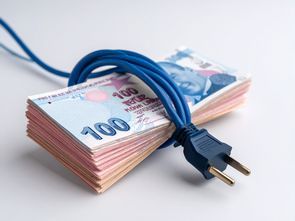
Unplugging appliances or using a power strip will both reduce your electricity bill and extend the life of your appliances. If we add up, the annual consumption of appliances can be substantial, depending on the number of users.
If you don’t leave appliances on standby, you can save a month’s worth of electricity annually, perhaps even more. Most importantly, your appliances will last much longer.